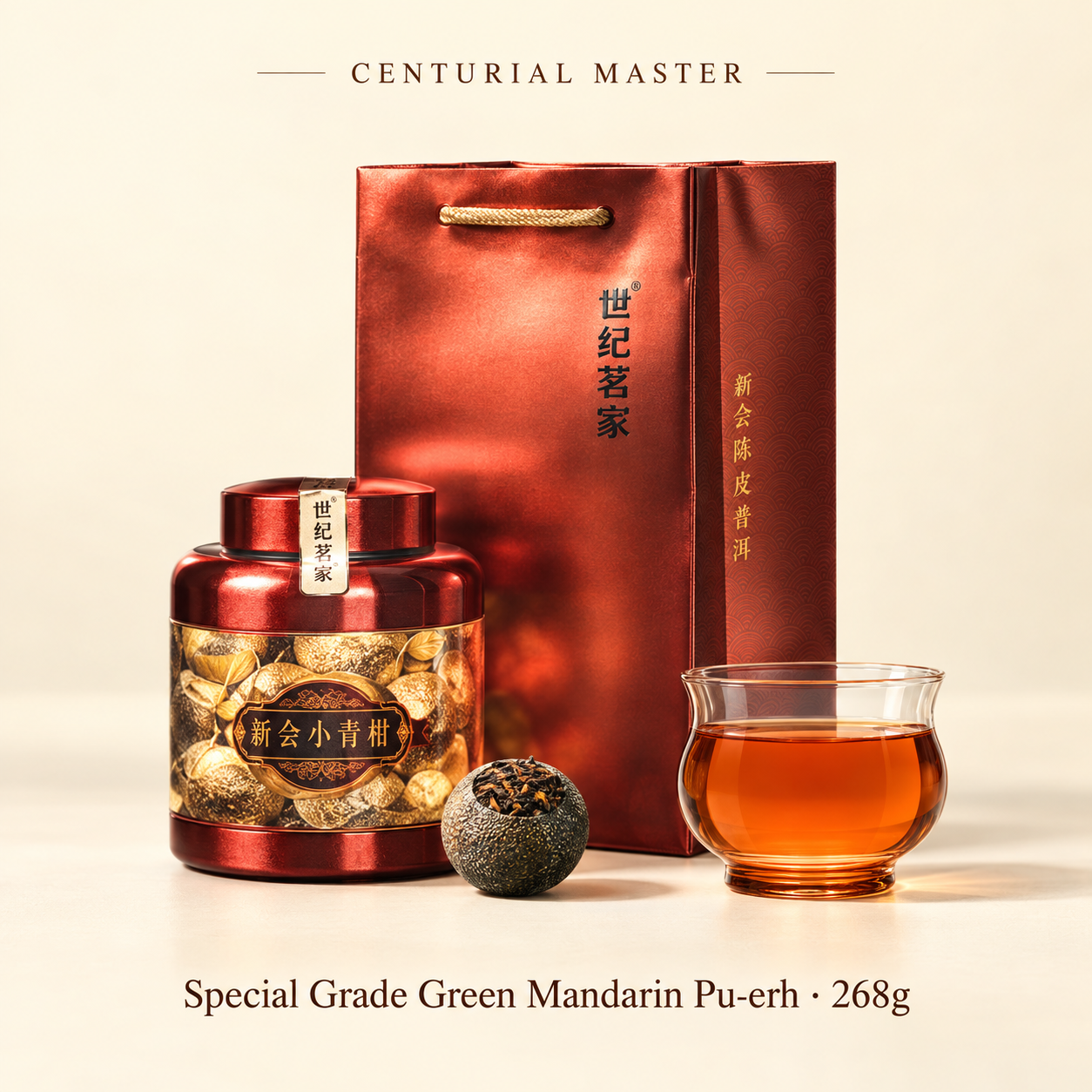
CHENPI & TEA / EST. 2006GUANGDONG ROOTS. EVERYDAY RITUALS.
A LITTLE CITRUS. A LITTLE STILLNESS.
Rooted in nature.
Made for your ritual.
Discover Xinhui aged mandarin peel and citrus-infused teas.
A distinctive Chinese tea tradition, ready for your everyday cup.
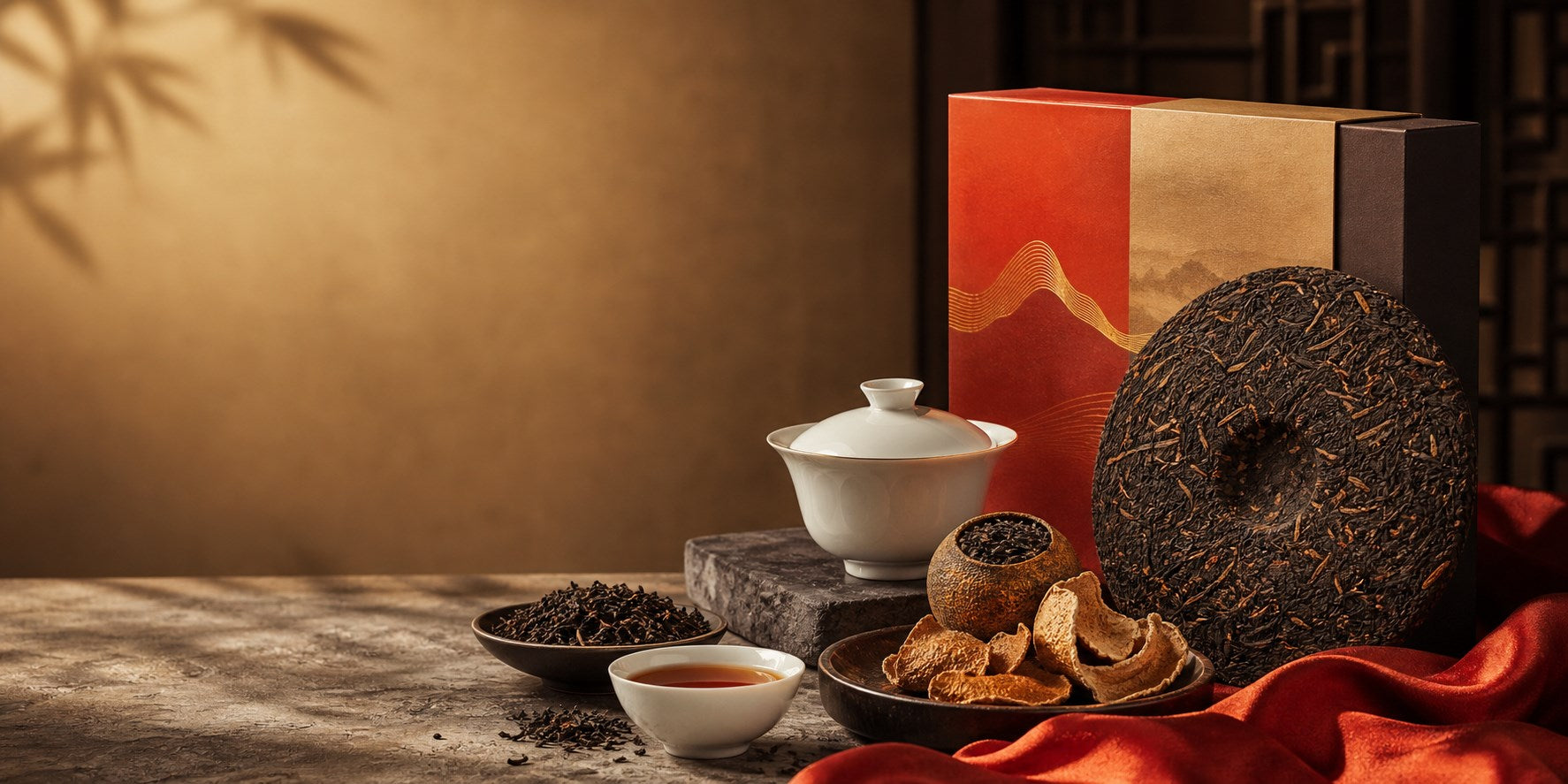
CITRUS AROMA. A MOMENT TO YOURSELF.Discover the story ↓
NEW TO CHENPI?
Find your kind of cup.
Start with the ingredient and the ritual you enjoy.
01
Pure Xinhui chenpi
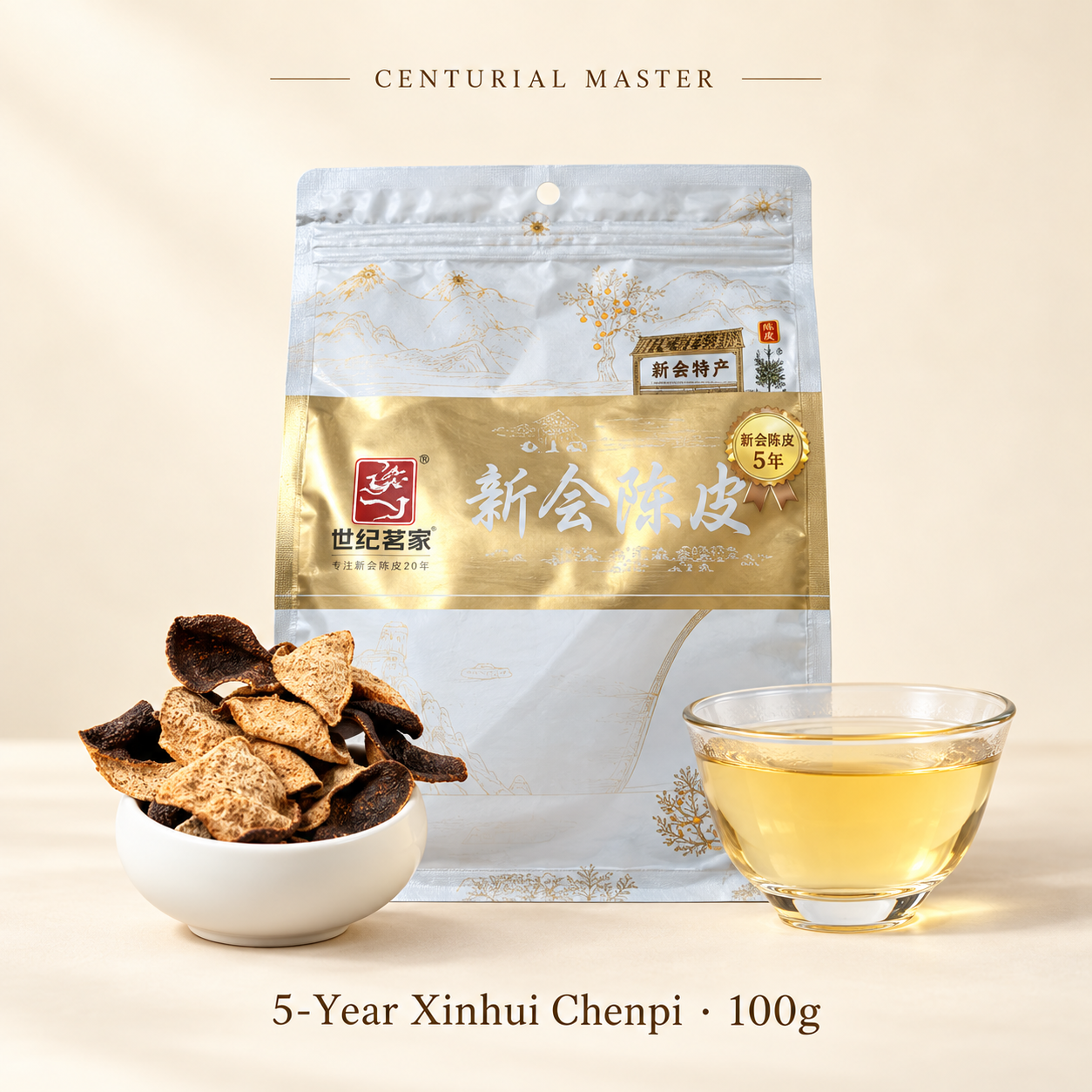
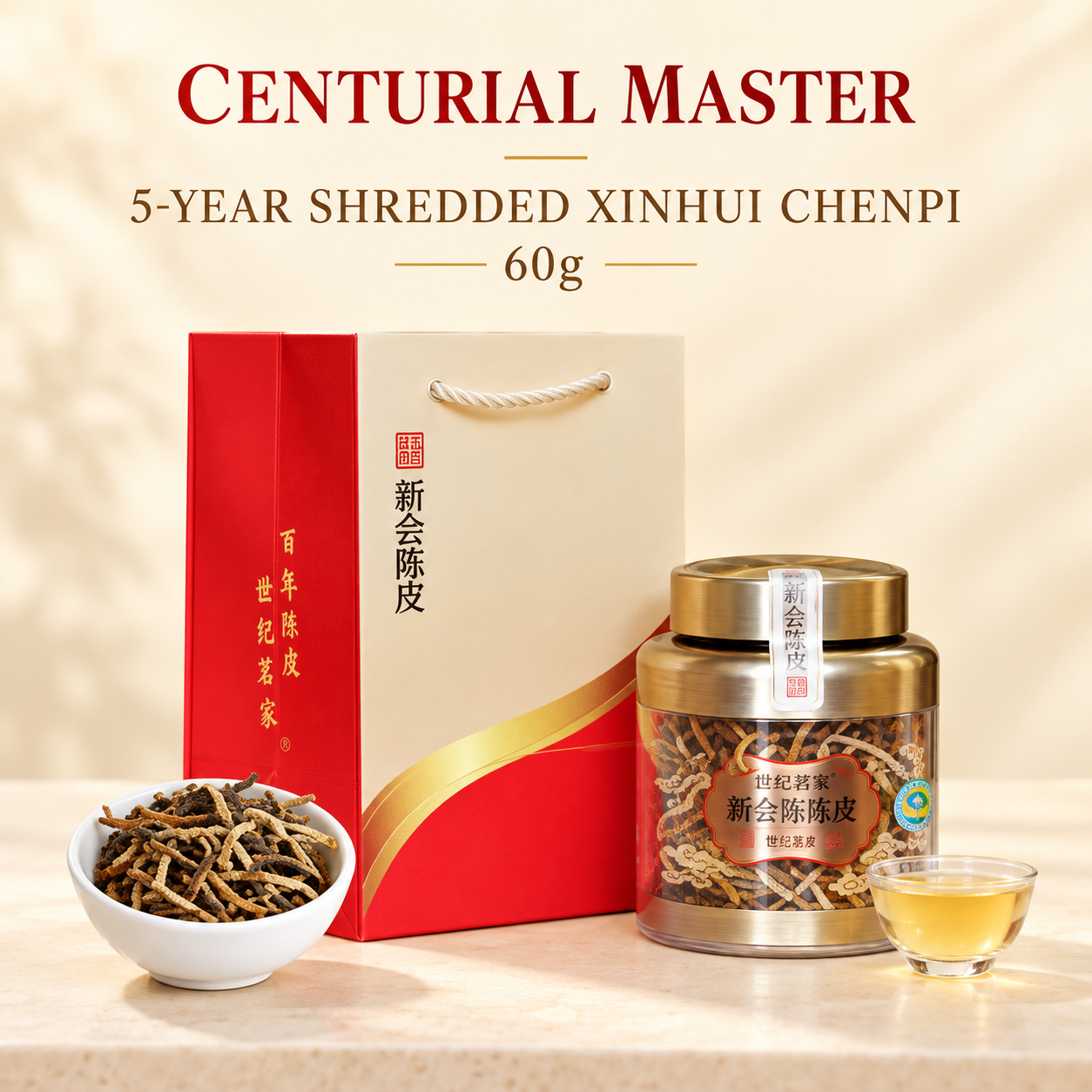
Aged mandarin peel. Explore citrus on its own, with no tea leaves in the pure-peel selection.
Discover chenpi ↗ 02Citrus meets tea
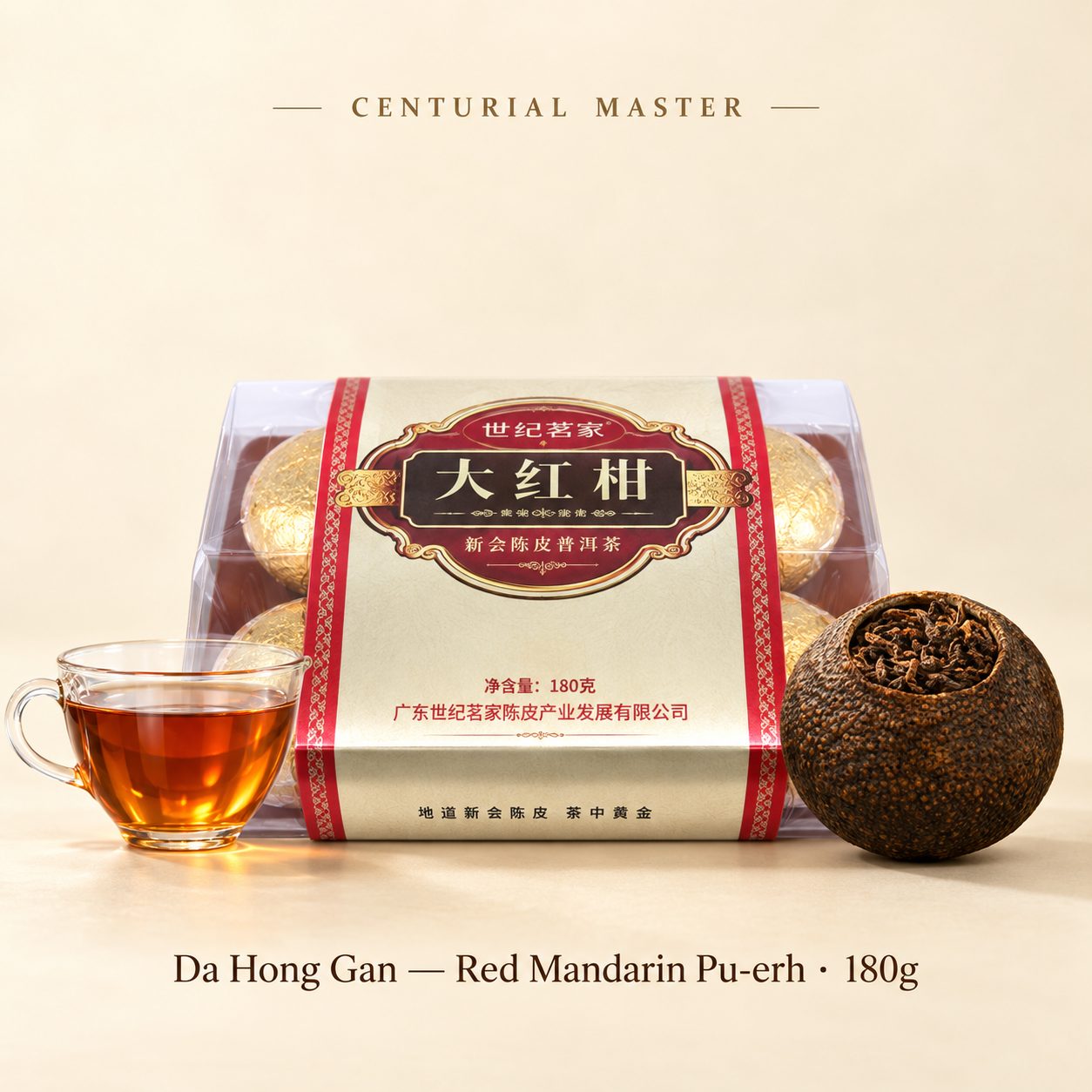
Choose green mandarin, red mandarin or chenpi blends to explore a different side of your tea ritual.
Explore citrus teas ↗ 03A thoughtful tea gift
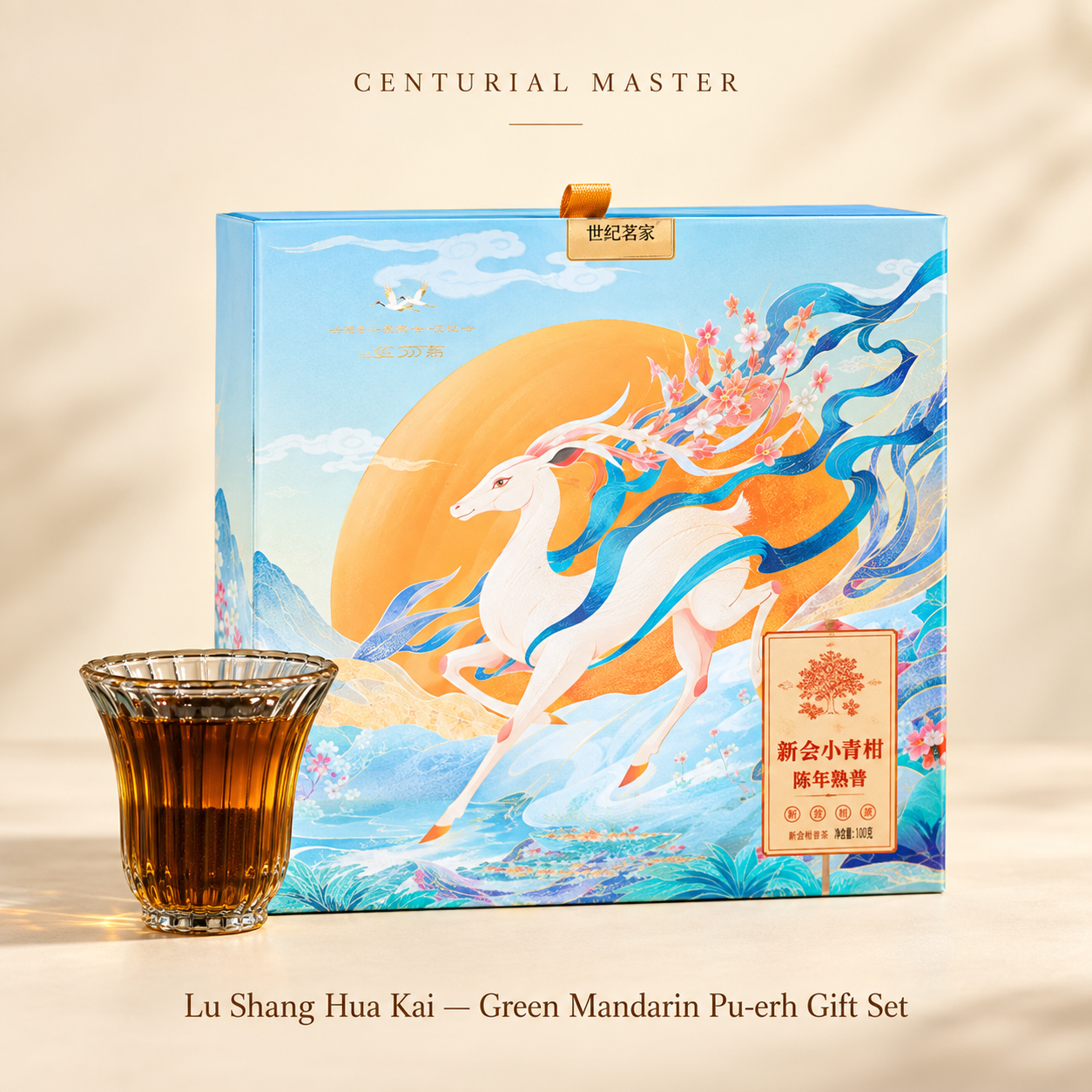
Presentation sets for the people you appreciate. Choose the tea and format that suit the moment.
Find a tea gift ↗01 / DISCOVER THE COLLECTION
A good place to begin.
From your first taste to a gift worth giving.

02 / OUR STORYESTABLISHED 2006
MEET CENTURIAL MASTER
A place. A craft.
A lasting passion.
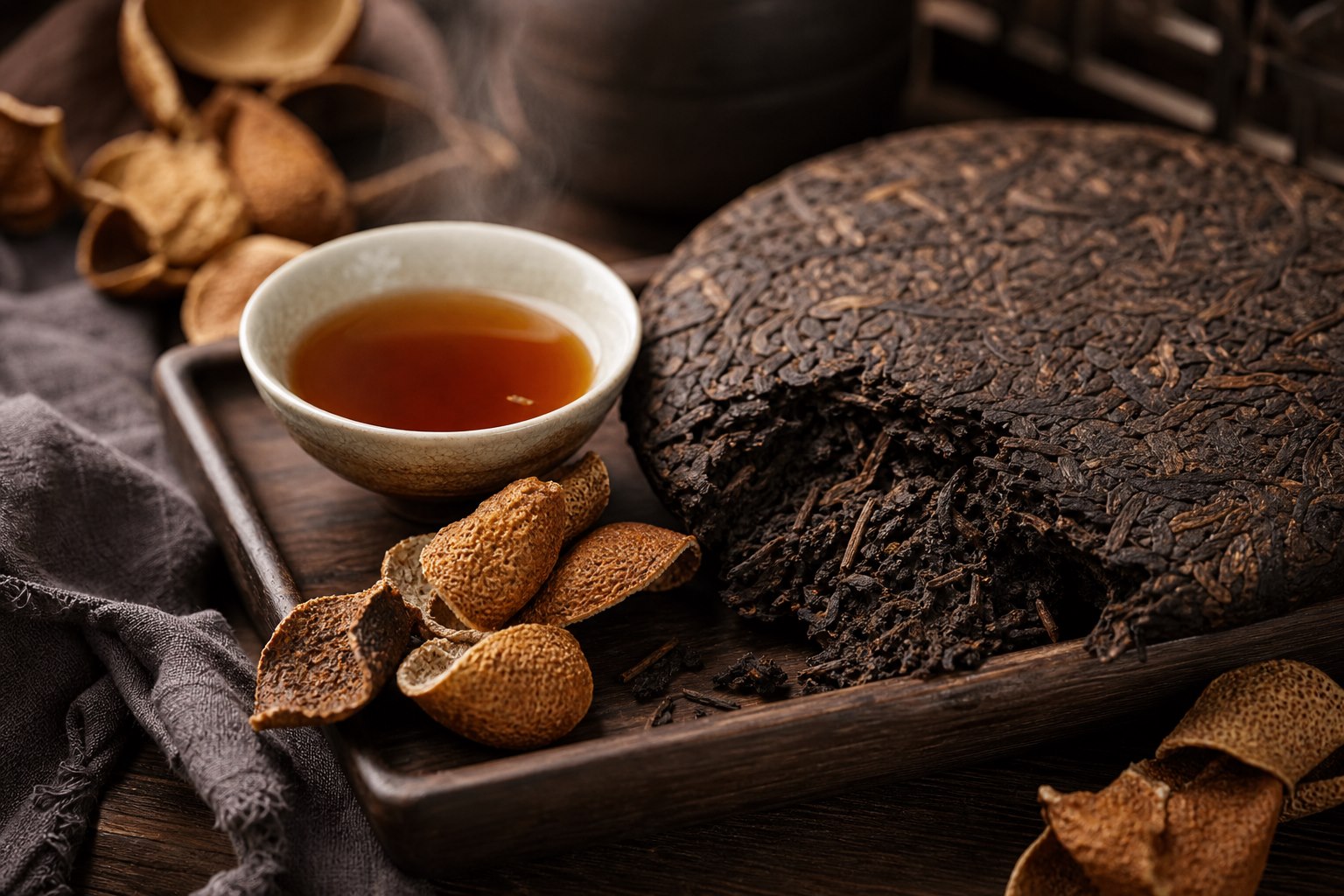
Our story began in 2006 with Xinhui chenpi: aged mandarin peel from Guangdong, China. Known in Chinese as Shiji Mingjia, Centurial Master brings citrus growing, tea development and production into one connected craft.
We pair our roots in Xinhui with the tea traditions of Menghai, Yunnan. From pure chenpi to citrus and Pu-erh blends, our collection invites you to discover a tradition one cup at a time.
Explore our origins01XinhuiCITRUS ROOTS02MenghaiTEA TRADITION03Since 2006A FOCUSED CRAFT
03 / WHAT WE STAND FORFROM CITRUS GROVE TO TEACUP
THE DETAILS BEHIND THE CUP
Good tea begins
long before the pour.
Rooted in Xinhui.
Our chenpi story starts in Xinhui, Jiangmen, Guangdong. Our growing network and cooperative connect the brand to its citrus-growing home.
A connected process.
Growing, product development and production are part of our work. Traditional tea craft meets modern production at our Xinhui base, opened in 2017.
Made to be shared.
From a quiet daily cup to a thoughtful tea gift, our collection brings the culture of chenpi into everyday life.

2006The brand begins
2016Growing cooperative established
2017New production base opens
2023A new chapter in brand design
BRAND ARCHIVETHE STORY BEHIND THE CUP
A RECORD OF THE JOURNEY
Rooted in Xinhui,
made for the world.
Centurial Master began with a simple focus: bring the character of Xinhui aged mandarin peel into a thoughtful tea ritual. This on-site archive follows the milestones behind the collection, from the brand’s beginning to its evolving design language.
A beginning in Xinhui
The brand takes root in Xinhui, Guangdong, a place known for its aged mandarin peel tradition.
Growing with care
A growing cooperative strengthens the connection between the citrus grove, the harvest and the work that follows.
A connected base
A production base brings development and making closer to the source, supporting a more connected tea craft.
A new chapter in design
A refreshed visual identity gives the brand a clearer way to share Xinhui chenpi and tea with new drinkers.
04 / YOUR DAILY RITUALA MOMENT WELL SPENT
Make time
for a better pause.
A little preparation turns a cup of tea into a moment to look forward to. Use the directions on your chosen tea for quantities, water temperature and steeping time.
Prepare
Warm your teaware and add the amount recommended on the package.
Pour & steep
Add water as directed. Adjust the steeping time to the tea and your taste.
Sip & discover
Pour, enjoy the aroma and take a slow sip. Notice how the cup changes with each infusion.
05 / SHOP WITH CLARITY
A few things you might wonder.
What is chenpi?
Chenpi is aged mandarin peel. Our Xinhui chenpi comes from the chenpi tradition of Xinhui, Guangdong. Pure peel and citrus-with-tea products are different selections, so check the product name and package ingredients.
Which tea should I try first?
Start with a smaller format to explore the style. Green mandarin and red mandarin teas combine citrus with tea, while pure chenpi lets you discover the peel itself. Gift bags are sold separately from tea unless the listing says gift set.
Does it contain caffeine?
Products containing Pu-erh or white tea contain caffeine. Pure mandarin peel has no tea leaves. Check the ingredient list of your chosen product, especially for blends.
Why is the packaging in Chinese?
Your product retains its original brand packaging. English product names and descriptions help you choose; the physical pack may include Chinese labels.
How should I store it?
Follow the storage directions on the package. Keep it away from moisture, direct sunlight and strong odors, and close the packaging after use.
Where do you ship, and what will it cost?
Enter your delivery address at checkout to see the available shipping options and charges. Available payment methods, taxes and the final total are shown before you place an order.
Can I ask a question before ordering?
Yes. Use Contact us in the footer and include the product name you are considering. For an existing order, include your order number.