CENTURIAL MASTER · CHENPI & TEA
Our Craft
Chenpi begins with mandarin peel that is prepared, dried and stored for ageing. The brand’s traditional craft guide follows the peel from harvest through opening, turning, drying and storage. Mandarin Pu-erh adds another ingredient—tea leaves—so it is a different product format from peel alone.
PrepareHarvest and open the peel
DryShape and dry the material
AgeStore with care over time
How is the peel prepared?
The sequence below follows the brand’s Chinese-language chenpi guide, published in 2018. It explains traditional peel making rather than prescribing an identical production method for every tea or blend in the collection.
-
Harvest and select.
Mandarins are harvested and selected before the peel is prepared. The guide distinguishes green, partly coloured and red peel by the fruit’s maturity at harvest.
-
Clean and open.
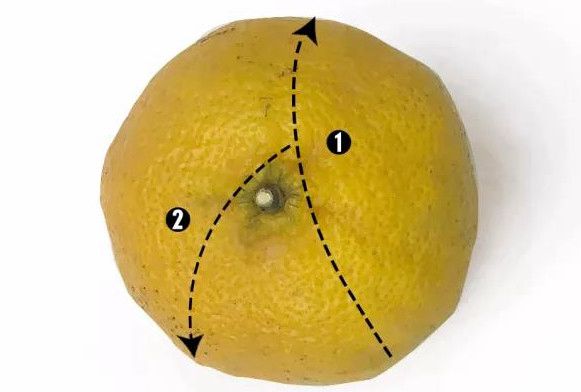
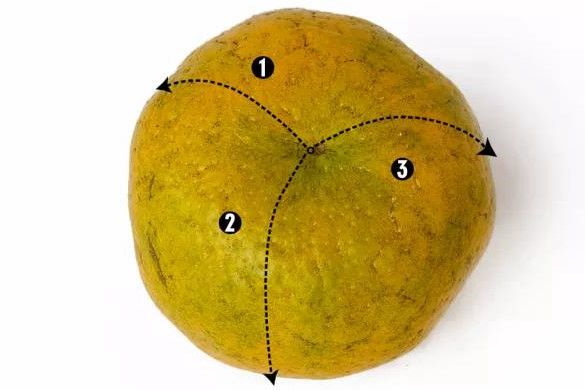
The fruit is cleaned, then the peel is opened with a two-cut or three-cut method. The aim is to separate the peel while keeping connected sections intact.
-
Turn the peel.
After some moisture has been released and the peel softens, it is turned so the inner surface faces outward. The shape allows the connected sections to be spread for drying.
-
Dry.
The prepared peel is spread in suitable drying conditions. Drying prepares the material for the next stage; it is distinct from the time spent ageing in storage.
-
Store and care for the peel.
The traditional guide describes dry, ventilated storage and periodic attention to the material. The environment and handling are part of the ageing process.
Why do the cuts matter?
The two-cut and three-cut methods shown in the original guide both open the fruit into connected peel sections. They are ways of handling and shaping the peel. A diagram explains that physical process; it does not establish the age or quality of a finished pack.
Is making chenpi the same as making mandarin Pu-erh?
Pure chenpi focuses on the aged peel itself. Mandarin Pu-erh combines the citrus format with tea leaves. Tea type, fruit format and the finished product’s preparation method all matter when choosing and brewing it. A pressed chenpi-and-tea selection is another format again.
Read the product name and ingredient list together. Green mandarin describes the citrus format; it does not mean the tea inside is green tea. An age designation for peel should also be read separately from any information supplied about the tea.
How should I care for the product at home?
Follow the storage directions on the physical pack and keep the dry material away from moisture and strong odours. Home storage of a retail pack and professional ageing of a large quantity are different situations. The production story is context; your pack’s directions guide everyday handling.
Use our preparation and storage guide for a repeatable brewing approach. For product-specific quantities, opening instructions or batch questions, contact our team with the product name and label details.
From the craft archive: opening the peel